All Categories
Featured
Table of Contents
- – Fire Suppression System Inspection Monterey Par...
- – Instant Air Solutions
- – Kitchen Exhaust Cleaning Service Monterey Park...
- – Kitchen Hood Service Monterey Park, CA
- – Hood Filter Replacement Monterey Park, CA
- – Restaurant Kitchen Ventilation Monterey Park, CA
- – Hood Vent Cleaning Services Monterey Park, CA
- – Commercial Kitchen Ventilation Monterey Park...
- – Hood Filter Replacement Monterey Park, CA
- – Fire Suppression System Inspection Monterey ...
- – Kitchen Hood Maintenance Monterey Park, CA
- – Kitchen Exhaust Cleaning Service Monterey Pa...
- – Instant Air Solutions
Fire Suppression System Inspection Monterey Park, CA
To find out how to cleanse your cooking area hoods, grease catches, and filters, proceed reading listed below. An exhaust hood aids to draw smoke, fumes, and other bits in the air out of your kitchen area. In time, these bits can accumulate in your hood system, leading to a requirement to have it cleaned.
In a bucket, prepare an option of cozy water and liquid. Making use of the option, scrub the inside of the hood making use of a non-abrasive scrub pad, soft-bristle brush, or cloth. Make certain to remove any oil or additional particles. After scrubbing, wipe the inside making use of a wet cloth to eliminate any type of soapy residue.
Kitchen Exhaust Cleaning Service Monterey Park, CA
Making use of the cleaning solution, scrub the outside of the hood to eliminate any kind of excess grease. Give your kitchen hood additional time to air dry.
The dimension of your grease traps can affect just how often they require to be cleaned up. Stick to the complying with steps to maintain them in good problem: Get rid of the grease traps from your variety hood. Continue to remove as much grease from them as you can. Make sure to put the grease in a separate container and refrain from rinsing it down a drainpipe.
Cleansing your makes certain that your system can properly filter the air in your kitchen area. As air is pushed via your hood system, these filters function to catch particles in the air and avoid them from being reused back right into the kitchen. Due to the fact that of this, they can swiftly come to be caked with grease and grime.
Place the filters in the water to soak. Given that there is an opportunity the filters bring in additional grease, think about allowing them to saturate for 2-3 hours or even overnight.
Kitchen Hood Service Monterey Park, CA
To clean your kitchen area hood followers, comply with the steps listed below: To start cleaning your follower, detach and remove it from the kitchen hood. When the blower has been removed, detach the fan blade cover utilizing a drill. This offers you access to the individual fan blades. Get rid of each follower blade to ensure that they can be cleaned individually.
Immerse the follower blades in warm water with soap and permit them to soak. As soon as the follower blades have actually had time to soak, eliminate them from the water and enable them to dry. Consider utilizing a or allowing them air completely dry. After they've had time to completely dry, reattach the fan blades.
Cleansing your kitchen hoods need to be a regular event in your dining establishment and something that you make sure to schedule frequently. Whether you're working with a solution to do it for you or making an effort to clean them yourselves, maintaining your hood systems tidy helps to assist in a secure and healthy and balanced setting on your own, your guests, and your personnel.
Hood Filter Replacement Monterey Park, CA
I don't do hood cleansing so I am not much help there, but one of our mediators, Ant, is. Hopefully he will thave ime to examine in and address.
I have been in the dining establishment Sector for the previous 32yrs, and I have to say that this business is one of the most expert and organize group that I have had the enjoyment of associating with. Essential my hoods, duct work and cooking area facility are left spotless, and tidy which makes my work that a lot easier.
On the various other end of the range are country locations, where the atmosphere is decidedly calmer and company competition is much less strong. Costs right here can be incredibly reasonable, frequently falling in between. Such areas experience less regular cleaning company needs, leading to labor expenses that match the lower frequency of anticipated cleansings while still giving quality solution.
Restaurant Kitchen Ventilation Monterey Park, CA
The dynamics at play do not just wrap up at prices; they expand into the frequency of solution required. Urban kitchen areas may call for more regular cleansings because of a higher volume of cooking coupled with tighter regulations on health and wellness standards. This facet converts into more routine upkeep schedules that can substantially add to lasting costs.
The price of commercial kitchen area hood cleaning varies substantially based on numerous crucial factors. A vast kitchen in a dynamic restaurant, with numerous hoods over various cooking terminals, will obviously require more job than a little caf with a single hood.
Consistently serviced exhaust systems often tend to gather much less grease, bring about reduced labor costs during upkeep. Believe about it: a well-maintained hood cleansed every three months will be much less complicated and quicker to solution than one that hasn't seen a scrub in over a year. If you forget cleaning for too long, that tiny financial investment might swell right into an unexpectedly hefty costs when the time comes.
Basically, this means higher expenses compared to companies located in locations with much less rigorous assessment standards. Understanding these elements isn't just scholastic; it has direct implications on just how you come close to budgeting for upkeep throughout the functional cycle of your kitchen. As a result, whether you're going back to square one with new installations or assessing existing agreements, maintaining these prominent elements in mind assists you secure versus surprise costs while ensuring conformity with sector requirements.
Hood Vent Cleaning Services Monterey Park, CA
Cooking area exhaust systems are designed to remove warmth, smoke, and grease, but when neglected, they end up being a considerable fire risk. Professional cooking area hood cleansing solutions systematically resolve this problem by eliminating flammable particles from areas we frequently overlook.
For beginners, examining for qualifications can be a major environment-friendly flag. A certified firm, like, straightens itself with the criteria, guaranteeing they are trained in proper cleansing methods and policies. This guarantees you that your cleaning staff recognizes just how to deal with oil build-up successfully while adhering to local security codes.
Over 60% of fires in consuming and alcohol consumption establishments are created by food preparation equipment. We're talking regarding fires and various other crashes triggered by the concealed accumulation of oil via consistent usage of required equipment - Kitchen Exhaust Installation Monterey Park.
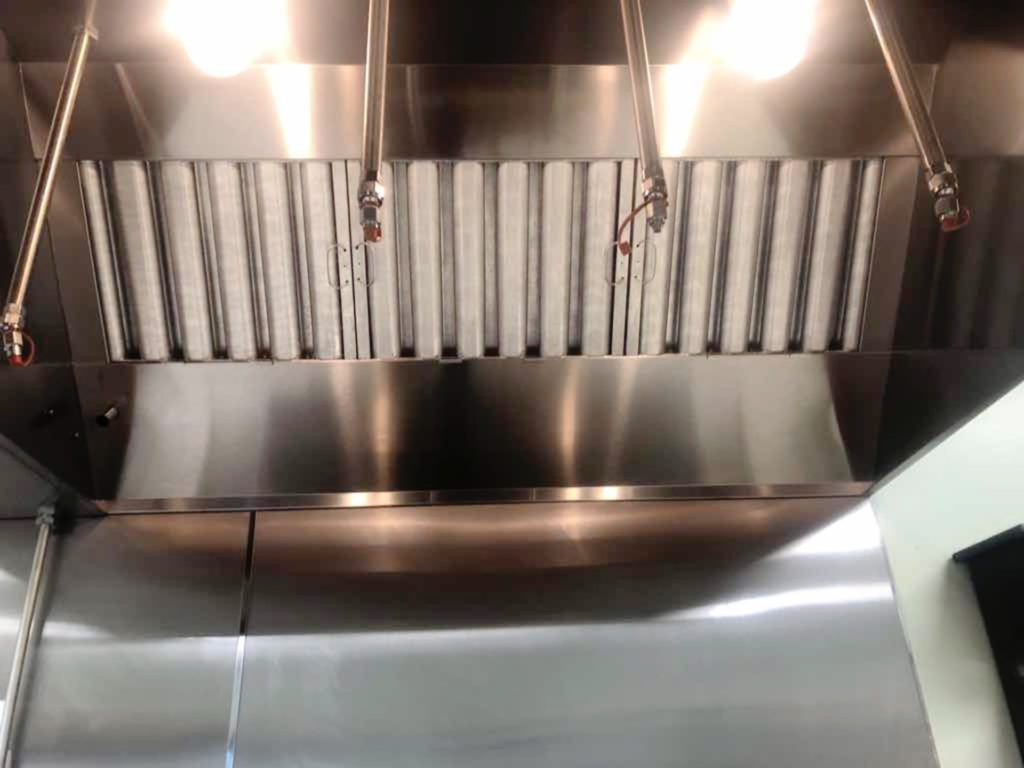
Most kitchen exhaust hoods have four main components. Behind the filters are one or even more mechanical followers that draw air up with the ductwork and out of the facility.
Commercial Kitchen Ventilation Monterey Park, CA
On the within side of the ductwork are small trays that gather that oil. They're the grease catches. The ductwork is the entire avenue that captures the air flow via a flared opening and supplies it up and away. The filters, followers, and grease traps are within the ductwork. Your dining establishment cooking area hood has a regular supply of filthy, greasy air flowing through it during all cooking hours.
That ought to be reason enough. If you're in a BBQ dining establishment or using a great deal of solid-fuel, buildup on follower blades makes them louder. Boosts total health, conserves money, hmm . audios like a QR code food selection. The NFPA, along with their demand to tidy kitchen area hoods, as a whole, sets out recommended frequencies.
The NFPA advises that cooking areas or cooking operations making use of solid gas should clean their hoods monthly. Solid fuel describes strong product that is burned for food preparation, like wood, charcoal, and coal. High-volume operations without strong fuel must undergo quarterly business variety hood cleansing. This is most restaurants that do not use strong fuel.
Hood Filter Replacement Monterey Park, CA
Any type of food preparation procedure with modest quantity, or volume below that of an ordinary commercial eating establishment. Any type of low-volume food preparation systems like churches, day camps, seasonal companies, or restaurant procedures in service during only special occasions. On to the fun stuff. Below's exactly how to clean most industrial cooking area air flow hoods, in six easy steps.
Disconnect every little thing and let all of it cool down. Nothing around you must be remotely near getting on. Cover all surrounding surfaces and devices with plastic sheeting. This is a notoriously unclean job and oil drips and spills everywhere. Obtain all your dining establishment cleansing products and devices in order: Plastic sheetingDegreaser concentrateNon-abrasive rubbing pad or soft-bristled brushRubber glovesSanitization container Whether you have baffle, mesh, or charcoal filters, they ought to all quickly press up and glide out.
Fire Suppression System Inspection Monterey Park, CA

After removing the filters and spacers, you'll eliminate the grease cups or oil catches. There must be traps on each side of the hood.
It will cake and trigger obstructions. Allow it dry, then throw it out in a long lasting, sealed container. Wipe down the catches with non-abrasive searching pads or soft-bristled brushes. Traps are often too large to run via the dish pit. Saturate them with the filters in the degreaser remedy for the exact same length of time.
Kitchen Hood Maintenance Monterey Park, CA
Many low-profile hoods have a dual-motor and dual-fan system. It attracts air from both sides of the hood for an even distribution of flow. Remove each fan's safety fan cover, after that loosen the facility hub of the follower to draw it down. Provide your fans a scrub with a soft-bristle brush or non-abrasive scrubbing negative.
But they still safeguard you from touching a fan blade when the electric motor's on. If, for one reason or another, you have actually taken the filters off without turning the followers off. Which you must never ever, ever do. After re-installing the followers, place the oil traps, spacers, and filters back on. Remove the plastic sheet that surrounds you, mop the floorings, and voil.
It's possible to go over a year without cleansing your hoods without anything poor occurring. And contamination. There's no reason not to cleanse your air flow hood often.
Kitchen Exhaust Cleaning Service Monterey Park, CA
Roll up your sleeves and apply a little joint oil. The great grease. For even more bar and restaurant cleansing resources, take a look at our complimentary. And our source on.

Having your cooking area exhaust system inspected and cleansed is not only a great concept; it's needed by law. The NFPA mandates routine examinations and cleansings, as do state and local fire codes., as defined by NFPA standards,: for systems serving strong fuel food preparation procedures for systems offering high-volume cooking operations such as 24-hour food preparation, charbroiling or frying pan food preparation for systems serving moderate-volume food preparation operations for systems serving low-volume cooking procedures, such as churches, day camps, seasonal companies or senior centers The evaluation have to consist of an evaluation of the whole exhaust system for grease buildup, and it needs to be executed by a someone who is properly trained and qualified.
Instant Air Solutions
Address: 412 W Dryden St Apt 6 Glendale, CA 91202Phone: (747) 307-6363
Email: [email protected]
Instant Air Solutions
A legitimate certification of examination must constantly be continued the facilities to present to fire assessors as requested. The NFPA does not directly mandate the frequency of cleaning; that depends on the results of the inspection and local needs. If the assessor regards that the system is infected with grease, a professional cleaning is needed by a certified professional.
Restaurant Hood Cleaning Near Me Monterey Park, CAHood Filter Replacement Monterey Park, CA
Commercial Hood Installation Monterey Park, CA
Kitchen Exhaust Fan Motor Replacement Monterey Park, CA
Commercial Kitchen Hood Service Monterey Park, CA
Around Here Seo Services Pricing Monterey Park, CA
Close By Seo Services For Small Business Monterey Park, CA
Instant Air Solutions

Table of Contents
- – Fire Suppression System Inspection Monterey Par...
- – Instant Air Solutions
- – Kitchen Exhaust Cleaning Service Monterey Park...
- – Kitchen Hood Service Monterey Park, CA
- – Hood Filter Replacement Monterey Park, CA
- – Restaurant Kitchen Ventilation Monterey Park, CA
- – Hood Vent Cleaning Services Monterey Park, CA
- – Commercial Kitchen Ventilation Monterey Park...
- – Hood Filter Replacement Monterey Park, CA
- – Fire Suppression System Inspection Monterey ...
- – Kitchen Hood Maintenance Monterey Park, CA
- – Kitchen Exhaust Cleaning Service Monterey Pa...
- – Instant Air Solutions
Latest Posts
Internet Marketing And Seo Services Upland
Web Design Company Eastvale
Seo Internet Marketing Services Covina
More
Latest Posts
Internet Marketing And Seo Services Upland
Web Design Company Eastvale
Seo Internet Marketing Services Covina